Physical Address
304 North Cardinal St.
Dorchester Center, MA 02124
Physical Address
304 North Cardinal St.
Dorchester Center, MA 02124

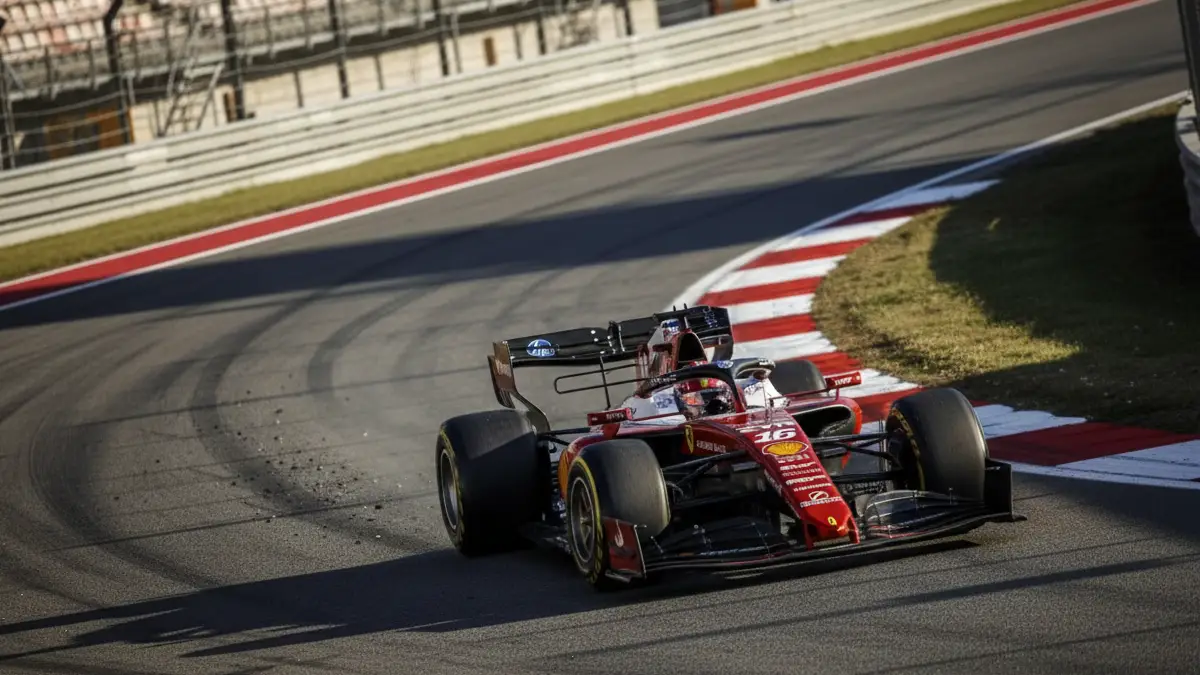
New engines, new aero, and a whole lot of nerves. Formula 1 just touched down in Barcelona to kick off the 2026 revolution, and the vibes are… interesting. While the fans are still waiting for the first lights-out in Melbourne, the paddock is already in overdrive. We’ve seen the first laps, the first reliability
troubles, and the first hints of who actually nailed the new regulations. Let’s dive into who’s flying, who’s faking it, and who might be in for a very long
season.
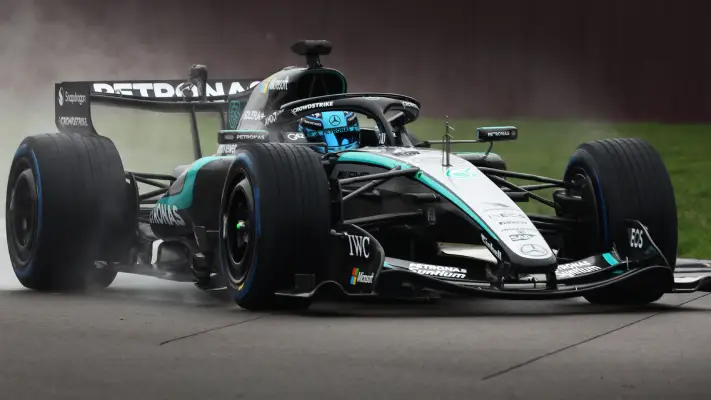
If testing were scored purely on discipline and execution, Mercedes would already have a small trophy on the shelf.
The Silver Arrows didn’t just run; they performed a three-day clinic in reliability, racking up over 500 laps (the most of any team). Their car looked stable over kerbs, compliant through Barcelona’s long, loaded corners, and perhaps most importantly, dependable. In a season reset, reliability is gold, and Mercedes stacked mileage like a metronome. Engineers spoke in cautious tones, but their body language suggested confidence. After a couple of inconsistent seasons, this looked like a team that had rediscovered its rhythm.
Ferrari, meanwhile, provided the flashes of headline speed.
Lewis Hamilton closed out the week by dropping the fastest lap of the entire test. While testing times always come with caveats, the red cars consistently popped up near the top of the sheets, and the SF-26 appeared lively through the high-speed sections. More telling was how planted the car looked on long runs, less twitchy, less temperamental than its predecessors. The mood in red seemed optimistic rather
than defensive. Ferrari may not be shouting about it, but there’s a sense that this car could surprise.
Then there’s McLaren, playing the waiting game.
The reigning champions approached Barcelona with a pragmatic attitude, focusing on structured programs rather than chasing lap times. They didn’t chase glory runs or eye-catching numbers, despite a minor fuel system hiccup for Oscar Piastri; the week felt composed and methodical. It felt like a team deliberately holding something back, ticking boxes rather than revealing performance, and in F1 quite confidence is the most dangerous of all.
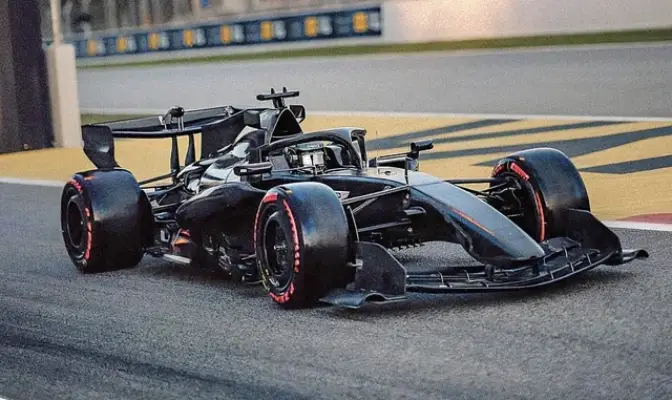
Not everyone left Barcelona with momentum. In fact, for Williams, the week was over before it began. In a gamble of production over practice, James Vowles made the tough call to skip the Barcelona shakedown entirely. While rivals were banking hundreds of laps, the Williams remained in the factory. In a season defined by a massive regulation reset, missing those first 1,000 kilometers is a high-stakes move that leaves Williams on the back foot heading into Bahrain.
Aston Martin’s story was a frantic race against the clock. After flying their car to Spain at the last minute, the AMR26 didn’t even break cover until late Thursday. On track, it caused a red flag within the first hour, and was running a new blue light to show the other teams that it was not running on full power. On paper, the numbers are grim: they finished dead last in mileage, with Fernando Alonso managing only 60-odd laps.
And yet, despite the lack of track time, the Aston was an eye puzzle. As the first machine designed fully under Adrian Newey’s leadership, it is a piece of aerodynamic art. It showed an aggressive sidepod and a radical rear suspension. The car looks like nothing else on the grid. It’s an Adrian Newey wildcard: high risk and high reward, but we’ll have to wait for Melbourne to see that.
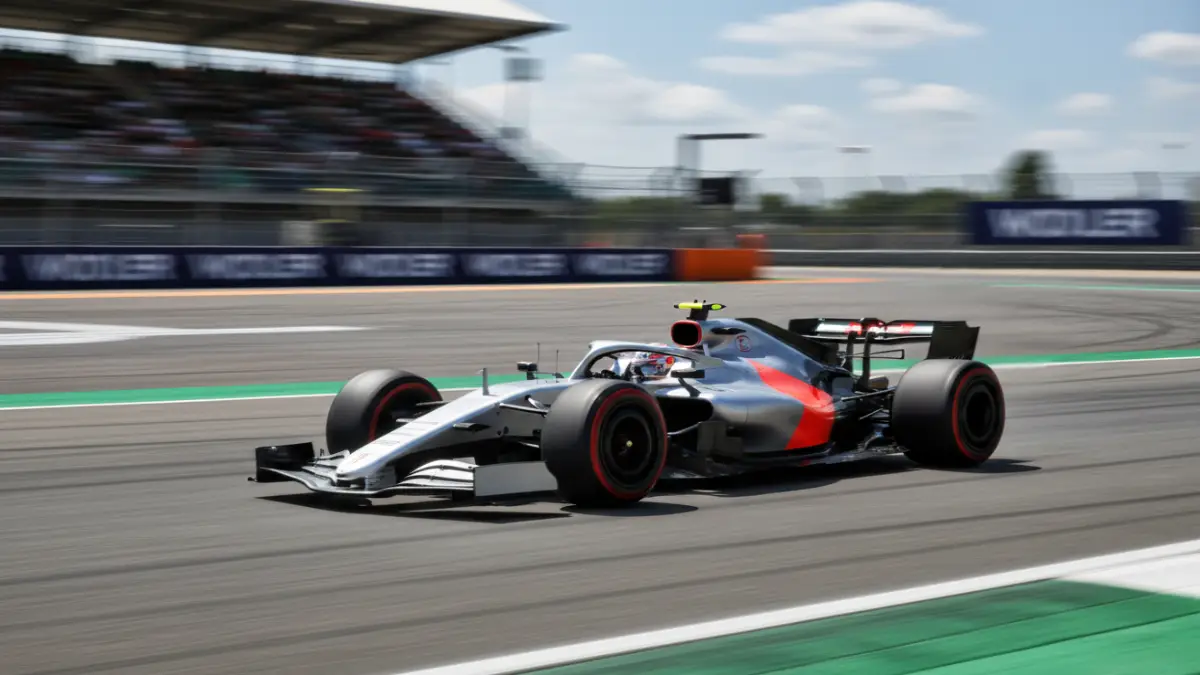
All eyes were on Audi, the sport’s most ambitious newcomer, as the four rings finally hit the track. The introduction hasn’t been seamless; integrating a brand-new power unit into a fresh operational structure is a monumental task, and the R26 spent a significant portion of the week propped up on garage stands.
Between a “basic” hydraulic leak for Nico Hülkenberg and a midweek gearbox scare for rookie Gabriel Bortoleto, reliability issues were emerging. Team boss Mattia Binotto didn’t sugarcoat the situation, admitting the team left Spain with the “longest list of problems” he’s seen in his career.
They finished the week on a high note, racking up 60% of their total mileage (243 laps) on the final day
alone. This isn’t a team chasing lap times; it’s a team finding its footing. For Audi, Barcelona was not about being fast; it was about consistency.
Red Bull are the undisputed masters of this game. While Mercedes and Ferrari were busy trading fastest laps, the RB22 kept a curiously low profile. They didn’t chase headline times, but they did something much more significant: they racked up over 300 laps with their brand-new Red Bull Ford engine. For a team building its own power unit for the first time, that kind of quiet reliability is a terrifying statement.
McLaren is sitting in a similar boat. Their measured approach suggests there may be more pace tucked away than the timing sheets imply.
So, what have we really learned?
Mercedes looks sharp and dependable. Ferrari appears fast and confident. McLaren remains composed and quietly threatening. Williams and Aston Martin are officially on the back foot, while Audi continues to navigate the unavoidable bumps of a debut season. Barcelona offers clues, not conclusions. The real pecking order is still a moving target, hidden behind the garage door.
The grid is finally taking shape, and for some, the new era looks bright, while for others, the countdown to Melbourne is already a race against time.
